
campaign Important Announcements
Admissions Open: Summer Internships & PG Dissertations (2026).
Admissions Open: Summer Internships & PG Dissertations (2026).
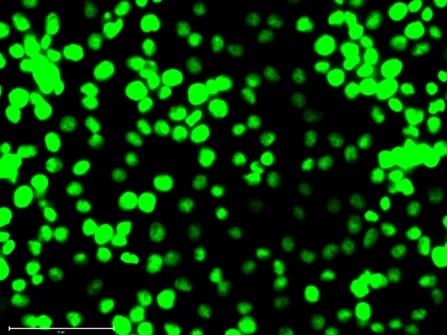
Advancing biotechnology through rigorous applied research, green nanotechnology, mosquito vector control, cancer nanoplatforms, and computational discovery.
A major component of laboratory research is the utilization of medicinal and biologically important plants for green synthesis of silver (Ag), copper oxide (CuO), zinc oxide (ZnO), and gold (Au) nanoparticles. Documented research and student projects have involved 25 key plant species:
SBRTL has pioneered myconanotechnology platforms using endophytic fungi isolated from medicinal plants to synthesize AgNPs, CuO NPs, TiO₂ NPs, MoO₃ NPs, and MgO NPs.
Extracellular fabrication of silver nanoparticles from Solanum lycopersicum endophytes.
Mycosynthesis of redox-active copper oxide nanoparticles from Ziziphus mauritiana.
Biosynthesis of titanium oxide nanoparticles using endophytic fungal strains.
Myco-engineered molybdenum oxide and magnesium oxide nanoplatforms.
One of SBRTL’s longest-standing research programmes, focusing on eco-friendly vector control strategies against major disease vectors:
Dengue & Chikungunya Vector
Asian Tiger Mosquito
Lymphatic Filariasis Vector
Urban Malaria Vector
Transitioning conventional green nanoparticles into functionalized nanoplatforms for targeted therapies with enhanced efficacy and reduced toxicity:
PEG-functionalized CuO nanoparticles loaded with methyl ionone.
PEGylated copper oxide nanoplatforms with enhanced antioxidant bioactivity.
Morin-loaded nanoalloy-reduced graphene oxide nanoplatforms.
Hesperetin-capped gold-rGO nanocomposites targeting triple-negative breast cancer.
Development of microalgal bioremediation systems using Chlorella vulgaris for industrial wastewater treatment, textile dye biodegradation, and reverse-osmosis (RO) concentrate demineralization.
In-silico molecular docking, molecular dynamics (MD) simulations, structure-activity relationships (SAR), and target prediction. Notable study: Investigating bioactive constituents of Artemisia pallens against efflux proteins of multidrug-resistant Acinetobacter baumannii.